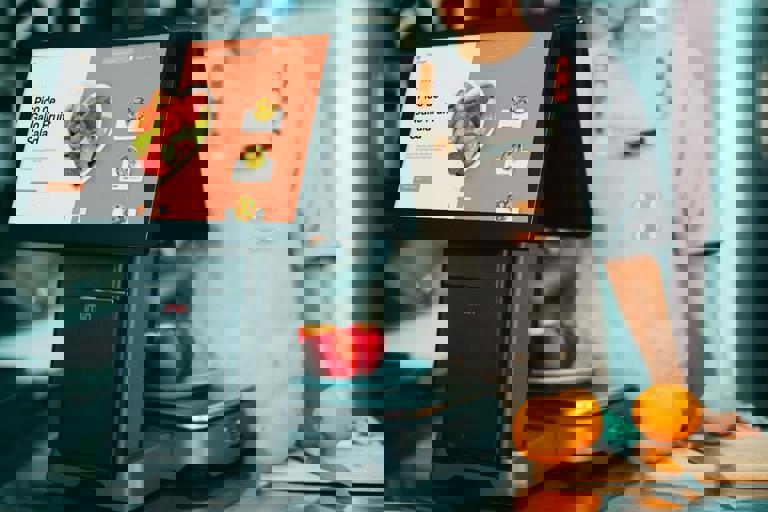
A new era of customer service dawned in Quebec this week, as one of North America’s leading robotics firms unveiled a fleet of bilingual service robots designed specifically for the province’s retail sector. The launch, announced at a press event in Montreal on Monday, reflects the region’s unique cultural tapestry, where both French and English serve as everyday languages for millions of residents and visitors alike.
The new robots, described as sleek and approachable by company representatives, are powered by artificial intelligence capable of seamlessly switching between French and English. This innovation comes at a time when businesses in Quebec are seeking new ways to meet language law requirements while elevating customer experience. "These bots don’t just translate—they comprehend cultural nuances," said Louise Tremblay, the firm’s product manager.
Retailers across Quebec face mounting pressure to provide services accommodating both francophone and anglophone shoppers. Provincial language laws, most notably Bill 101, set strict guidelines for the use of French in commerce. According to industry observers, AI-driven solutions like these robots provide a technological answer that balances inclusivity with regulatory compliance, reducing risk for businesses operating in multicultural environments.
Store managers who took part in the pilot program reported a significant uptick in customer satisfaction. According to a survey conducted by the robotics firm, over 86% of shoppers felt positive about interacting with the robots, citing their clear communication and helpful demeanor. "Our regulars enjoyed choosing their language and appreciated the bots remembering their preferences on repeat visits," noted Josée Hébert, manager of a participating Quebec City boutique.
The robots use advanced natural language processing and are built to handle complex retail scenarios such as product recommendations, store navigation, and checkout assistance. With real-time speech recognition, the machines can instantly respond to questions, listen for cues in either language, and even detect regional dialects. Engineers claim this technology surpasses older systems reliant solely on scripted responses or manual switching.
Beyond linguistic versatility, the robots are equipped with facial recognition and adaptive AI, allowing for a genuinely personalized shopping experience. When a customer approaches, the robot greets them in their preferred language, offering assistance based on previous interactions stored securely in compliance with local privacy laws. "Personalization is the key to customer loyalty," said Marc-Andre Bouchard, the company’s lead AI researcher.
For retailers, integrating bilingual bots is touted as a cost-effective way to address staffing shortages and fluctuating demand. According to a 2023 Retail Council of Canada report, 63% of store owners in Quebec indicated difficulty hiring bilingual staff. The robots can fill this gap during peak hours or special events, ensuring consistent service when human employees may be stretched thin.
Language advocacy groups have welcomed the development cautiously. The Coalition pour la promotion de la langue française issued a statement acknowledging the robots’ compliance with Bill 101 but urged transparency regarding updates and security of stored linguistic data. "Technology must serve to deepen—not dilute—our linguistic heritage," said coalition spokesperson Édith Rousseau during a live radio interview on 98.5 FM.
Experts believe Quebec’s bilingual customer service bots could set a precedent for other multilingual regions worldwide. As cities across Canada and around the globe grapple with increasing diversity, the success or failure of these robots is likely to inform similar rollouts in places like Brussels and Barcelona. "AI adapts to society’s needs, and language is at the heart of identity," observed sociolinguist Dr. Robert Lapointe at Université de Montréal.
Looking ahead, the robotics firm plans to expand its product line to include more specialized bots for tourism, hospitality, and healthcare. Future models may offer additional language capabilities, guided tours, or more complex transactional support. Feedback collected from retailers and shoppers during the Quebec pilot directly informs ongoing development, ensuring the technology keeps pace with evolving consumer expectations and linguistic realities.
For now, Quebec shoppers may find their next retail assistant isn’t human, but a friendly, bilingual robot eager to help them in French or English. As the province balances tradition and modern innovation, these AI-powered machines represent a compelling example of technology serving cultural and commercial needs. The coming months will reveal whether the robots can bridge more than language—perhaps creating a model for inclusive service in the digital age.