In the heart of Vancouver, British Columbia, a revolutionary start-up is making waves in the construction sector with a bold promise: to reshape how Canada builds. TimberTech 3D, founded in 2021, specializes in manufacturing large-scale structural components made from sustainably sourced wood composites using advanced 3D printing technology. By combining cutting-edge engineering with ecological responsibility, the company is challenging conventional construction methods—and the industry is taking notice.
Traditional construction in Canada has long relied on steel and concrete, materials prized for their durability and strength but infamous for their carbon footprint. According to the Canada Green Building Council, the construction and operation of buildings account for almost 30% of the nation’s greenhouse gas emissions. This context has heightened the urgency to explore alternative building techniques that promise both environmental and economic benefits.
TimberTech 3D’s innovation lies in its proprietary wood composite material, which is primarily made from locally sourced and rapidly renewable timber. The composite is engineered for longevity and fire resistance, addressing concerns that previously limited wood’s application in high-rise and commercial projects. “Our material rivals steel in strength per weight, but it’s about 80% less carbon-intensive to produce and transport,” said company CEO Alex Jensen in a recent interview.
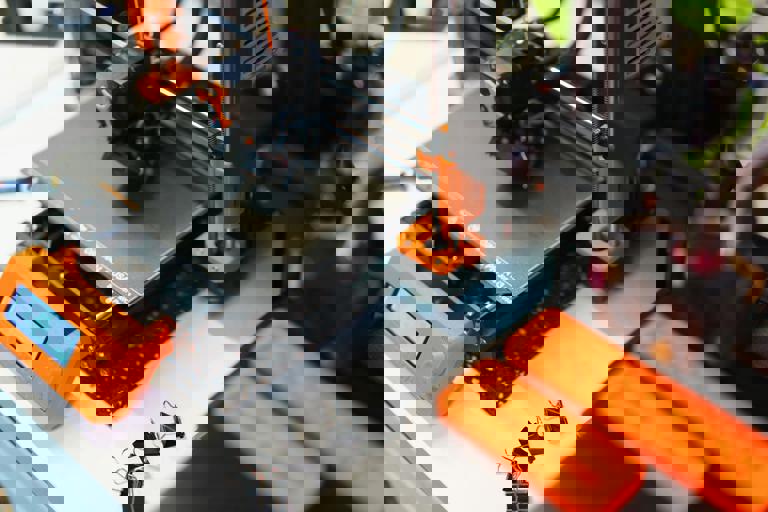
The company’s manufacturing process sets it apart from traditional carpentry or prefabrication. Utilizing large-format industrial 3D printers, TimberTech 3D can fabricate entire building components—such as beams, panels, and joints—in its Vancouver facility. Each piece is custom-designed using digital blueprints, allowing for a high degree of precision and minimal waste. According to Jensen, "On average, we generate 60% less construction site waste compared to conventional builds.”
Construction speed is another key advantage. Where traditional methods often require months of sequential labor, TimberTech 3D’s pre-printed structures can be assembled on-site in mere weeks. Local construction firm Urban Assembly, which partnered on a six-story residential pilot project last year, reported that they cut their expected build time in half. This rapid assembly is particularly enticing amid Canada’s ongoing housing shortage and high demand for affordable homes.
Environmental advocates have praised the move. "Using timber from responsibly managed forests sequesters carbon for the lifetime of the building and supports biodiversity in Canadian woodlands," noted Dr. Priya Kulkarni, a leading sustainable building researcher at the University of British Columbia. The 3D printing process, she explained, requires significantly less energy than steel smelting or concrete mixing, further reducing the environmental impact.
Local governments are also showing interest in how such innovations could help Canada meet its ambitious climate targets. Vancouver city planners recently approved TimberTech 3D’s proposal for a low-income housing development, hailing it as a "blueprint for urban sustainability." If proven effective on a larger scale, city officials say, such projects could be integrated into public infrastructure expansion in major urban centres including Toronto and Montreal.
Yet challenges remain for the widespread adoption of 3D-printed timber architecture. Insurance providers and code regulators are still adapting to the new technology, resulting in longer approval times and inhibiting rapid rollout. Nonetheless, TimberTech 3D has worked closely with Canadian Standards Association (CSA) and National Research Council Canada to develop safety protocols and testing procedures specialized for 3D-printed composite structures.
One of the concerns often voiced by skeptics is longevity: how will these timber buildings weather Canada’s harsh winters and fluctuating temperatures over decades? Early results are promising. Case studies from the pilot project in Vancouver show that the wood composite panels maintain their integrity and insulation values even after two severe seasonal cycles. In addition, the company offers a 40-year structural warranty to further reassure clients and stakeholders.
Economically, TimberTech 3D’s approach could help address another pressing issue: the skilled labor shortage in Canada’s construction trades. By automating much of the fabrication process, fewer specialized workers are required on-site, potentially lowering costs and allowing for faster development of much-needed infrastructure. "Innovation like this could redefine what it means to work in construction," said Kevin Li, a Vancouver-based project manager.
As TimberTech 3D eyes expansion beyond British Columbia, industry observers are watching closely. Partnerships are underway for commercial and educational buildings in Alberta and Ontario. The company’s pioneering spirit—rooted in sustainability, advanced technology, and Canadian know-how—could mark the beginning of a new era in the nation’s construction industry. If successful, their model may not just change how Canada builds, but inspire a global rethinking of what our buildings can be.