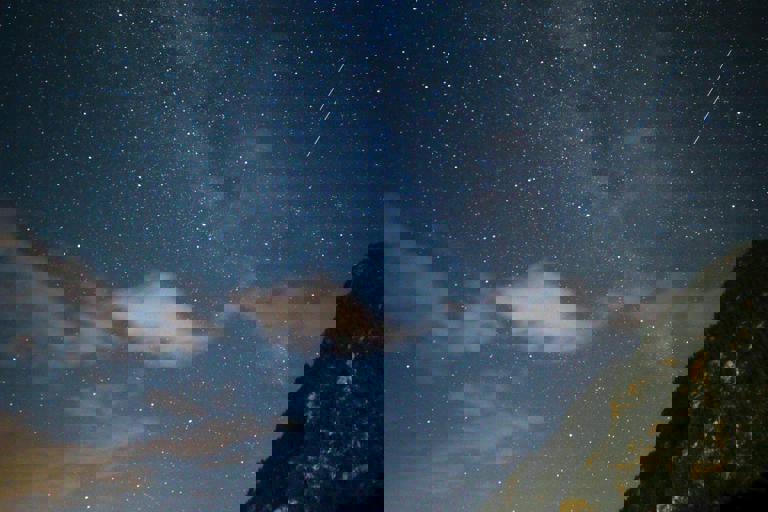
A quiet revolution is unfolding above the rooftops of Canadian cities. As more municipalities adopt dark sky policies, residents in urban and suburban areas are rediscovering the wonders of the night sky. Once concealed by excessive artificial lighting, star-studded vistas are now becoming visible from backyards, balconies, and local parks. This shift is not only igniting public enthusiasm for astronomy but also enriching urban cultural life across the country.
Canada’s dark sky movement took its cue from international efforts that recognize light pollution as an environmental and cultural concern. In the last decade, cities such as Calgary, Vancouver, and Montreal have begun adopting stricter lighting bylaws. These measures target inefficient streetlights, intrusive spotlights, and non-essential commercial lighting, dramatically reducing the nighttime urban glow. The policies are crafted to balance safety with environmental considerations, enabling stargazers to witness the cosmos as never before.
Local astronomy clubs have reported a surge in membership and activity since dark sky initiatives began to take root. Karen Dubois, president of the Edmonton Astronomy Society, notes, “Our public skywatching events now attract hundreds of curious new faces each month. The difference in sky quality is palpable, and families are taking advantage of every clear night to explore the heavens together.” Equipment sales have risen as citizens invest in telescopes and binoculars for backyard observing.
Statistics bear out this growing interest. According to a 2023 survey by the Royal Astronomical Society of Canada (RASC), participation in amateur astronomy events has doubled since 2019 in municipalities that enacted dark sky regulations. The Society’s Dark-Sky Sites directory reports that more than 40 Canadian cities have implemented, or are planning to implement, similar policies by 2025, signaling a nationwide trend.
Beyond hobbyists, these lighting reforms have had a beneficial impact on communal well-being and urban biodiversity. Excessive nighttime illumination was shown to disrupt ecosystems by confusing migratory patterns in birds, insects, and mammals. Simon Tanguay, an urban ecologist at McGill University, explains, “Reducing light pollution not only preserves our nocturnal environment but also encourages native species to return to city neighborhoods. It’s a win for both people and wildlife.”
Backyard astronomy has become a key tool in science education as teachers and parents use the improved night sky to inspire curiosity among children. School programs increasingly incorporate stargazing activities, while local observatories partner with educational institutions to hold workshops. Lori Patel, a Toronto science teacher, says, “Astronomy connects children to the universe. Watching them see Saturn’s rings for the first time never gets old.”
Cultural appreciation for the night sky is not new in Canada, with Indigenous peoples long recognizing its spiritual and navigational value. Dark sky policies have created space for Indigenous educators to share traditional knowledge about the stars. In Vancouver, the Musqueam, Squamish, and Tsleil-Waututh Nations have collaborated with municipal leaders to offer sky stories, revitalizing cultural ties through public programming.
Economically, the boom in astronomy is benefiting local technology retailers and tourism operators alike. Small towns on the outskirts of major cities are marketing themselves as dark sky destinations, attracting visitors seeking pristine views and nighttime festivals. In Jasper, the annual Dark Sky Festival has seen attendance climb steadily, bringing an estimated $2.5 million to the regional economy in 2023 alone, according to the Jasper Chamber of Commerce.
Not all responses have been uniformly positive. Critics argue that stricter lighting regulations could compromise public safety or deter nighttime commerce. However, city planners counter these concerns by emphasizing breakthroughs in smart lighting technology. LEDs and directed fixtures now offer safety with minimal upward spill, allowing well-lit streets without flooding the night sky. “It’s about smarter use, not total darkness,” says urban lighting consultant Patrick Morrissey.
The federal government has also taken interest in the phenomenon, launching the Dark Sky Community Challenge in 2022. This ongoing initiative encourages best practices in lighting design through grants and recognition, empowering cities of all sizes to participate. Environment and Climate Change Canada supports these efforts, citing research that points to lower carbon emissions from improved energy efficiency—a bonus most cities welcome.
While the transformation is still in progress, early successes have inspired neighboring municipalities to explore their own dark sky ordinances. Stories of local families bonding under meteor showers or catching glimpses of the Northern Lights within city limits are spreading. Social media has amplified the excitement, with Canadians from coast to coast sharing photos and tips using hashtags like #CanadiansUnderTheStars, creating a nationwide network of sky enthusiasts.
Canada’s embrace of dark sky policies is changing how urbanites relate to their environment. As the nightscape shifts, residents are finding renewed wonder in the universe that stretches above their heads. The movement promises not only more opportunities for education and recreation but also a deeper sense of connection—to each other, to nature, and to the cosmos itself. With more cities on board, the future for Canadian stargazers looks brilliantly star-filled.