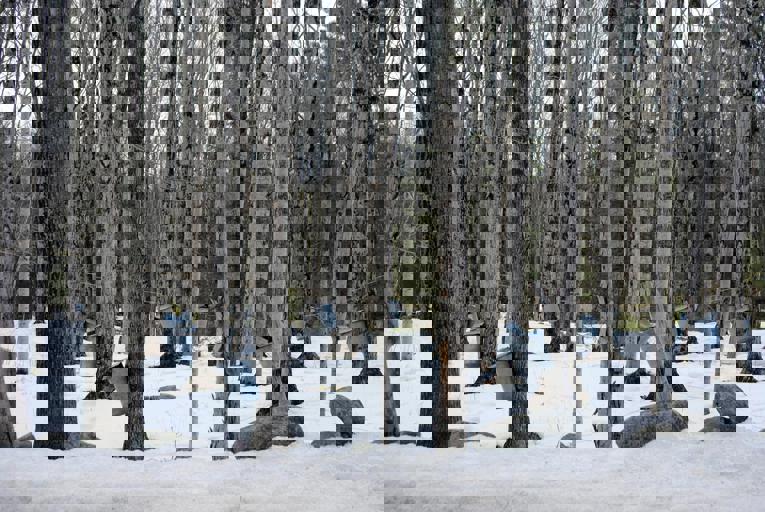
As spring arrives in Quebec, the province’s iconic maple syrup industry is experiencing a subtle yet significant transformation. Small-scale producers, historically operating on thin margins and facing barriers to entry in large markets, are finding new hope through cooperative ventures. By banding together, these independent farmers are able to pool resources, share technology, and negotiate better prices for their product. The rise of maple syrup co-operatives marks a pivotal shift in how local communities approach both production and distribution.
The structure of these co-operatives, or co-ops, enables members to invest collectively in modern equipment, such as advanced evaporators or filtration systems, which might otherwise be financially out of reach for a single producer. According to Lucienne Moreau, a fifth-generation syrup maker in the Eastern Townships, “Sharing our tools and know-how means less burden on individuals and higher-quality syrup for everyone.” This collaborative spirit fosters both innovation and resilience among participants.
Beyond technology, co-ops provide crucial access to larger markets that reward higher volumes and more consistent quality. While previously, many small Quebec producers sold in local farmers’ markets or to regional buyers at modest prices, co-op membership allows them to secure contracts with national grocery chains and even international buyers. In 2023, Quebec exported over 70 percent of Canada’s maple syrup, with co-ops now contributing a growing share to these figures.
The economic impact is being felt in rural communities, where maple syrup production is more than just a livelihood—it’s a cultural tradition. Jobs related to tapping, boiling, and bottling have grown more stable, with some towns reporting a 15 percent uptick in seasonal employment. “These co-ops don’t just help the farmers,” explained municipal councillor Denis Gagnon of Beauce. “They help keep our youth in the region, create local jobs, and support rural schools and services.”
The environmental benefits of co-operative approaches are also beginning to surface. By coordinating tapping strategies, members ensure that maple forests are managed sustainably and not over-harvested. Shared knowledge about tree health, pest control, and climate adaptation circulates more effectively within the co-op framework. This ensures that the province’s iconic sugar bush remains healthy and productive for generations to come—a major concern as climate patterns shift unpredictably.
Female leadership is emerging as a unique strength within some Quebec co-ops. Women like Isabelle Tremblay, president of Sainte-Angèle Co-op, are reshaping organizational culture and priorities. Tremblay notes, “We focus not just on profit, but on family, fair work, and community.” This approach is credited with increasing member engagement and inspiring younger women to see a future for themselves in maple farming, thereby securing long-term sustainability for the sector.
Government agencies are recognizing the promise of these co-operative models and have begun offering targeted support. This spring, the Quebec Ministry of Agriculture launched grants aimed at upgrading shared facilities and expanding export capabilities for syrup co-ops. According to ministry spokesperson Philippe Laroche, “Our goal is to bolster rural economies and safeguard this vital part of Quebec heritage.” Such backing enhances the visibility and influence of the co-op movement across the province.
Still, challenges remain for these fledgling organizations. Navigating regulatory requirements, managing collective investments, and ensuring fairness among members require constant vigilance. Industry analysts caution that strong dispute-resolution mechanisms and transparent governance are essential to avoid pitfalls that sometimes undermine co-operative ventures. Advocates remain optimistic, however, citing the successes of long-standing agricultural co-ops in dairy and grain as proof that the model can thrive with careful stewardship.
Looking ahead, the momentum behind maple syrup co-ops shows little sign of waning. With ambitious plans for on-site farm shops, educational workshops, and even cooperative branding, these groups hope to create lasting value for producers and consumers alike. As Quebec enters another maple season, farmers, families, and food lovers are watching closely—hoping that this new spirit of cooperation will make the province’s sweetest export even more sustainable for years to come.