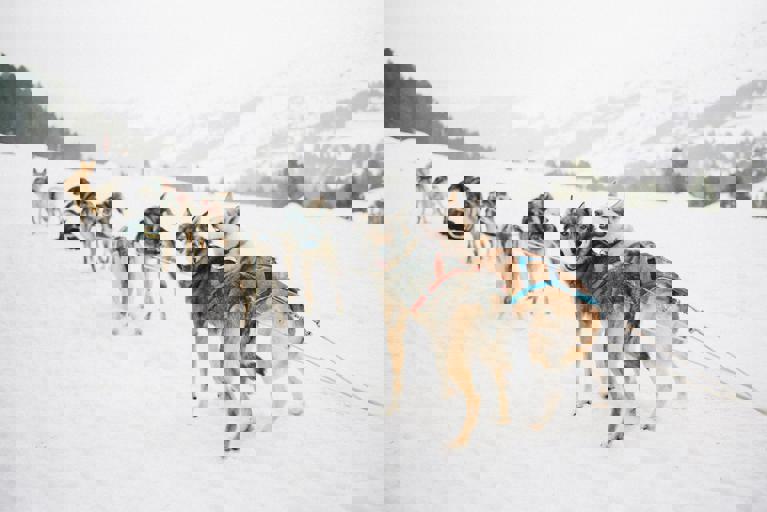
The rhythmic sound of paws thumping against packed snow is returning to the remote stretches of northern Canada, as dog-sledding—a tradition steeped in Indigenous culture and northern history—enjoys a notable resurgence. Over the past decade, communities from Yukon to Nunavut and northern Quebec have seen local residents, both seasoned mushers and young novices, reclaiming dog-mushing as both a sport and a means of cultural expression. This revival stands out against the backdrop of shifting climates that have made winters less predictable and snow cover more inconsistent in recent years.
For many, adapting to the effects of climate change has become a daily reality, with ice roads arriving later and melting earlier, and traditional winter travel challenged by unpredictable thaws. Nonetheless, enthusiasts have responded creatively by adjusting their training and racing calendars and investing in new, lightweight sled technologies that function on patchy snow or icy trails. "Every year is a bit different now, but we're learning to adapt," says Theresa Pilituk, a musher from Yellowknife. "It keeps us connected to our dogs and our land."
Dog-mushing has always been more than just transportation in the North; it is an essential thread binding generations. Indigenous communities, particularly the Inuvialuit and Cree, are embracing dog-sledding not only as a sport but as a way of keeping stories and languages alive. Elders lead workshops for youth, teaching them how to care for dog teams, construct traditional harnesses, and read the landscape for safe passage, combining ancient wisdom with contemporary approaches to safety and sustainability.
The economic ripple effect of dog-sledding's revival is reaching local businesses as remote towns embrace the tourism potential of this quintessentially northern experience. Dog sledding excursions, guided by experienced mushers, attract visitors eager to experience the Arctic landscape in its authentic form. According to the Canadian Tourism Commission, dog-sledding-related activities in Yukon alone have contributed a 15% boost in winter tourism revenue over the last three years. Hotels, outfitters, and craftspeople benefit as visitors seek genuine northern adventures.
In the face of climate challenges, organizations such as Mushers United North (MUN) are championing environmental stewardship. They emphasize responsible trail management and dog care, working alongside scientists to monitor ice and snow conditions, adapt race routes, and ensure sled dog welfare. MUN president Luc Bouchard notes, "We collaborate with climate researchers, so both our sport and our ecosystems can thrive together. Flexibility is essential—sometimes a planned route must be changed at the last moment, but the commitment to tradition and safety remains constant."
Technology is also playing a crucial role in this resurgence. GPS mapping, satellite weather tracking, and advanced materials for sled construction help ensure the safety of both dogs and mushers under challenging and variable conditions. In remote areas, these innovations help teams avoid hazards such as thin ice or unseasonal meltwater. At the same time, social media platforms are amplifying the profile of dog-sledding, allowing young mushers to share their experiences and connect with global audiences fascinated by northern resilience.
For young people in particular, the return of dog-mushing is helping to forge a new sense of pride and purpose. School programs and community events now commonly feature dog-sledding demonstrations, with students learning to harness sleds and care for teams as part of their education. "It’s about more than racing—it teaches us respect, responsibility, and teamwork," says Keisha Lewis, a student musher from Nunavik. This hands-on engagement fosters stronger bonds between generations and instills a renewed appreciation for the land’s unique challenges and opportunities.
Looking ahead, the future of dog-sledding in northern Canada is one of adaptation and innovation, built on the sturdy foundation of heritage. The sport’s revival stands as a testament to the enduring ingenuity and spirit of northern communities, who find new ways to honor their past while charting a course through an uncertain climate future. As climate adaptation becomes part of everyday life, the timeless image of sled teams racing across the tundra remains a symbol of resilience, unity, and the evolving Canadian North.