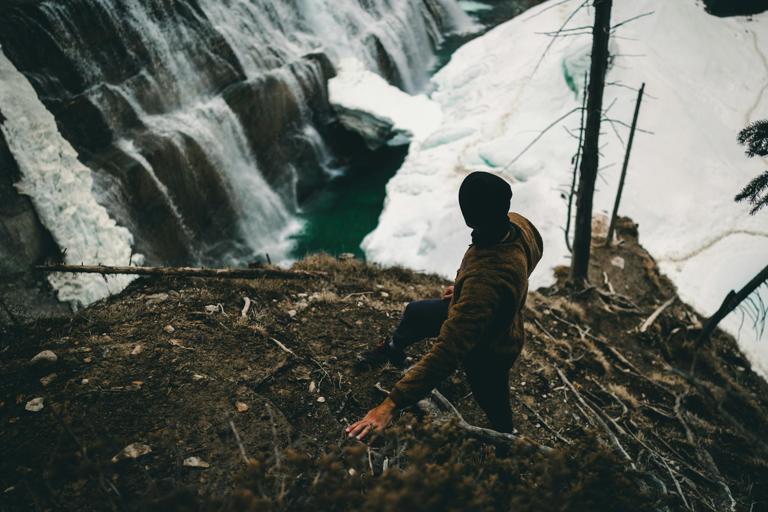
Nestled within the rugged landscape of British Columbia, a hidden world of secret waterfalls is rapidly becoming the new frontier for adventurers. While iconic parks like Yoho, Garibaldi, and Pacific Rim have long drawn crowds with their world-famous cascades, a quieter movement is afoot. Hikers and nature lovers alike are seeking out lesser-known waterfalls, aiming to experience the province’s wild beauty on their own terms, far from the usual throngs of tourists.
British Columbia's extensive wilderness offers countless opportunities for those willing to venture off the beaten path. According to the BC Ministry of Environment and Climate Change Strategy, the province boasts over 1,700 classified waterfalls, though experts believe the actual number is much higher. Many of these hidden gems are absent from official maps, whispered about in online forums or passed along through word of mouth between seasoned explorers.
One such waterfall, Christie Falls near Ladysmith on Vancouver Island, exemplifies the allure. Unlike the well-marked trails of the province's major national parks, the journey to Christie Falls is an adventure unto itself, requiring careful navigation through dense forest, mossy footbridges, and subtle cairns. Local hiking enthusiast Michael Farnsworth explains, “Part of the thrill is that sense of discovery; these places feel untouched, as if you’re the first to find them.”
The surge in interest for secret waterfalls is partly a response to the growing congestion in BC’s famous parks. A study from Destination BC reported a 36% increase in visitation to national parks between 2018 and 2022, resulting in popular sites often being crowded, especially during peak summer months. The search for solitude and tranquility in nature has inspired many locals and travelers to branch out and seek more secluded adventures.
Social media has played a pivotal role in the popularity of these hidden sites. Platforms like Instagram and TikTok now feature hashtags such as #BCWaterfalls and #HiddenBC, where thousands of users share images and coordinates of their finds. While this has introduced a new generation to wilderness exploration, it has also raised concerns about environmental impact and the need for responsible outdoor ethics among a growing audience.
Not all secret waterfalls are alike. Some, like Gold Creek Falls in Golden Ears Provincial Park, are accessible with a moderate hike, while others, such as the mysterious Widgeon Falls, require a kayak paddle across a tranquil lake before groundwater springs and ferns greet visitors. Each site offers a unique blend of isolation, natural beauty, and adventure, appealing to a wide range of outdoor enthusiasts.
For those looking to swim, many of these lesser-known cascades feature picturesque pools at their bases. Wilderness swimmer and author Simone Harvey describes her first dip at Myra Falls near Campbell River: “The water was icy cold, but completely clear and inviting. It’s rare to find such perfect swimming conditions with barely another soul around,” she says, lauding the pristine state of many secret spots compared to their better-known counterparts.
The quest for tranquil waterfalls has also boosted regional economies in unexpected ways. As intrepid travelers base themselves in smaller towns like Kitimat, Revelstoke, and Ucluelet, local guides and outfitters have experienced a noticeable uptick in business. Tourism specialist Aiden Yu notes, "It's a win-win; visitors enjoy a more authentic experience while supporting local communities that are often overlooked by mainstream tourism."
Conservationists caution, however, that increased interest demands careful stewardship. While crowds can cause erosion, pollution, and disrupted wildlife habitats, small numbers of responsible adventurers pose less risk. Provincial forestry ranger Tanya Beaulieu emphasizes the importance of 'leave no trace' principles: “If we want these secret places to remain unspoiled, everyone who visits must tread lightly and respect nature’s limits,” she says.
Many traditional knowledge keepers, particularly from Indigenous communities, urge respect for the lands surrounding these waterfalls. Many cascades are located on ancestral territories and hold significant cultural meaning. “These are sacred places to our people,” says elder Peter Tom of the Nuu-chah-nulth Tribal Council. He encourages all visitors to learn about the history of these sites and to approach them with reverence and care.
Seasonal variations add an element of unpredictability, heightening the sense of adventure for seekers of off-the-grid waterfalls. Snowmelt in spring and early summer can turn placid trickles into roaring torrents, while late summer often means quieter flows and increased swimming opportunities. Weather and altitude are factors too, making preparation and local knowledge invaluable for a safe and enjoyable journey.
Despite their growing fame, many hidden waterfalls remain accessible primarily to the most dedicated explorers. Unmarked trails, challenging routes, and lack of cellular coverage require careful planning and navigation skills. Outdoor safety advocate and blogger Lucy Zhao advises, “Always let someone know your plans, bring the right gear, and never underestimate the wilderness. A secret waterfall can quickly turn into a rescue mission if you’re unprepared.”
The trend toward exploring secret waterfalls shows no sign of slowing, as adventurous spirits continue to seek meaningful connections to the natural world away from crowded attractions. With proper care and respect, these tranquil sites can offer lasting rewards: a sense of wonder, peace, and connection to British Columbia’s wild heart. For those willing to step beyond the expected, a world of discovery awaits, flowing just out of the spotlight but well within reach for those who seek it.